Client & Supplier Portals
Customers keep calling to ask where their order is?
Customers order and track online. Your team stops re-typing.
Target · order entry time
60–80% less
portal.yourcompany.com
// farman-labs / software-for-physical-operations
Orders by email, invoices typed twice, job status on a whiteboard. It costs your team hours every day. We build the portals, automations and live dashboards that take that work off their plate.
For teams that make, move and store real things
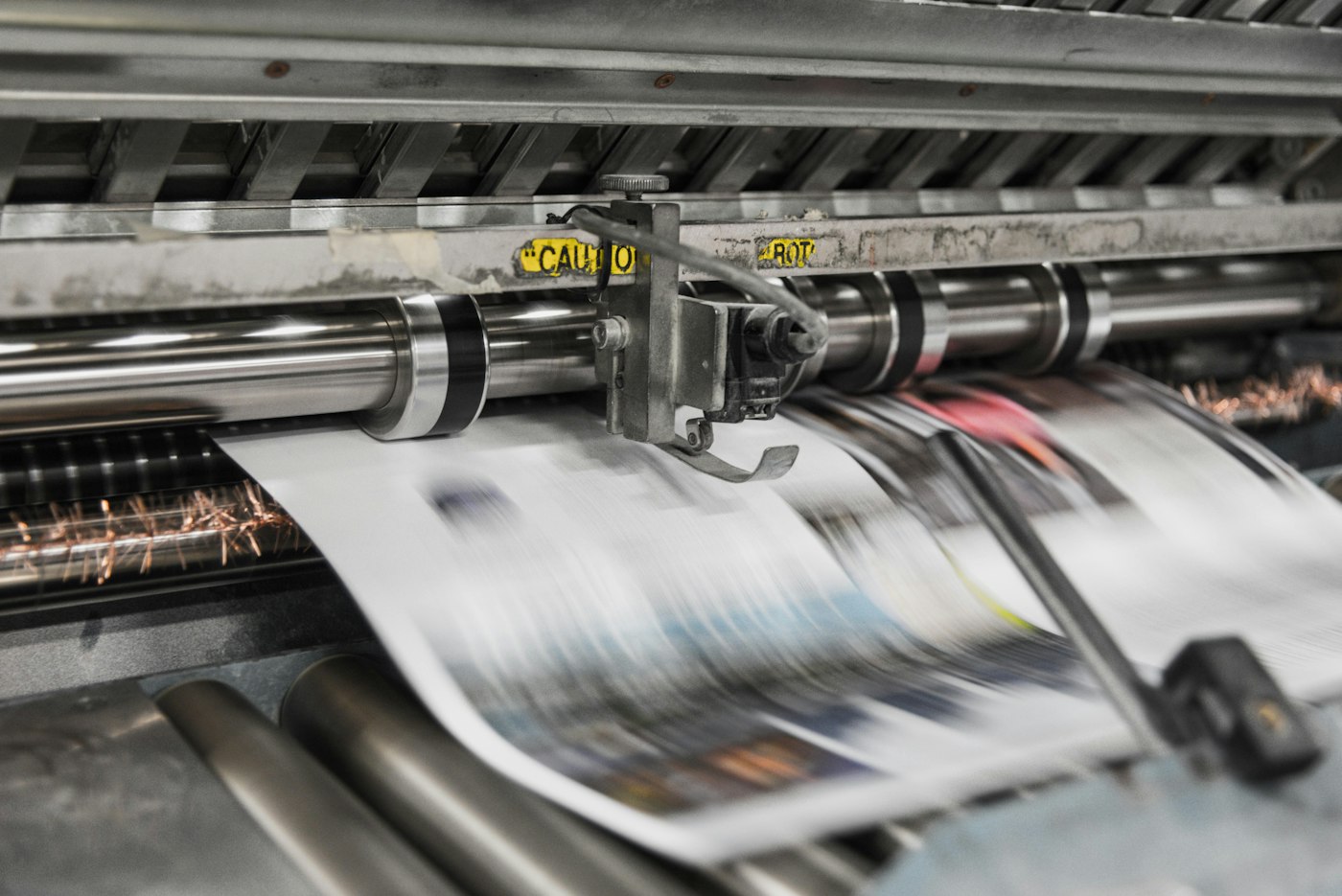
Commercial printing
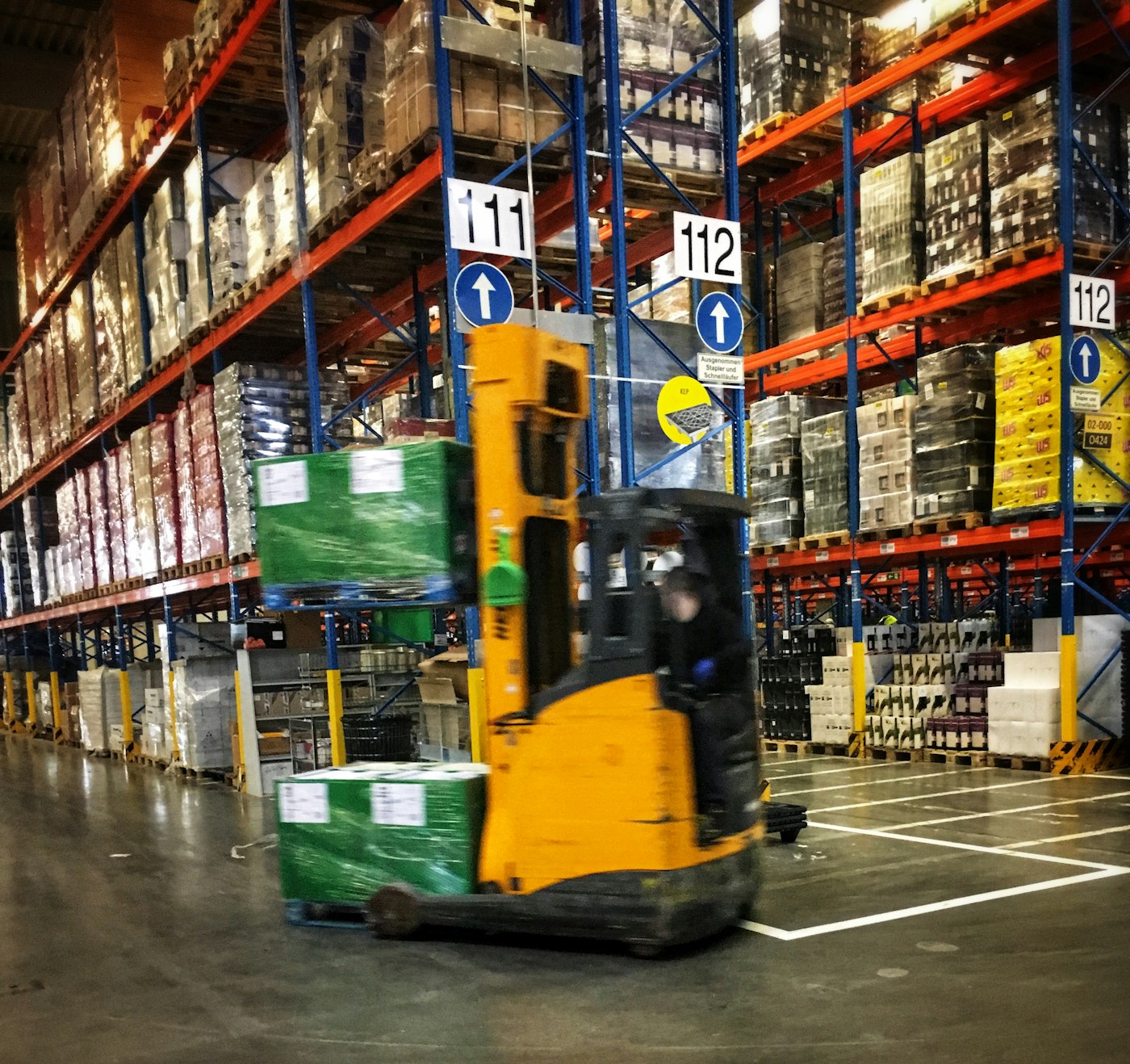
Distribution
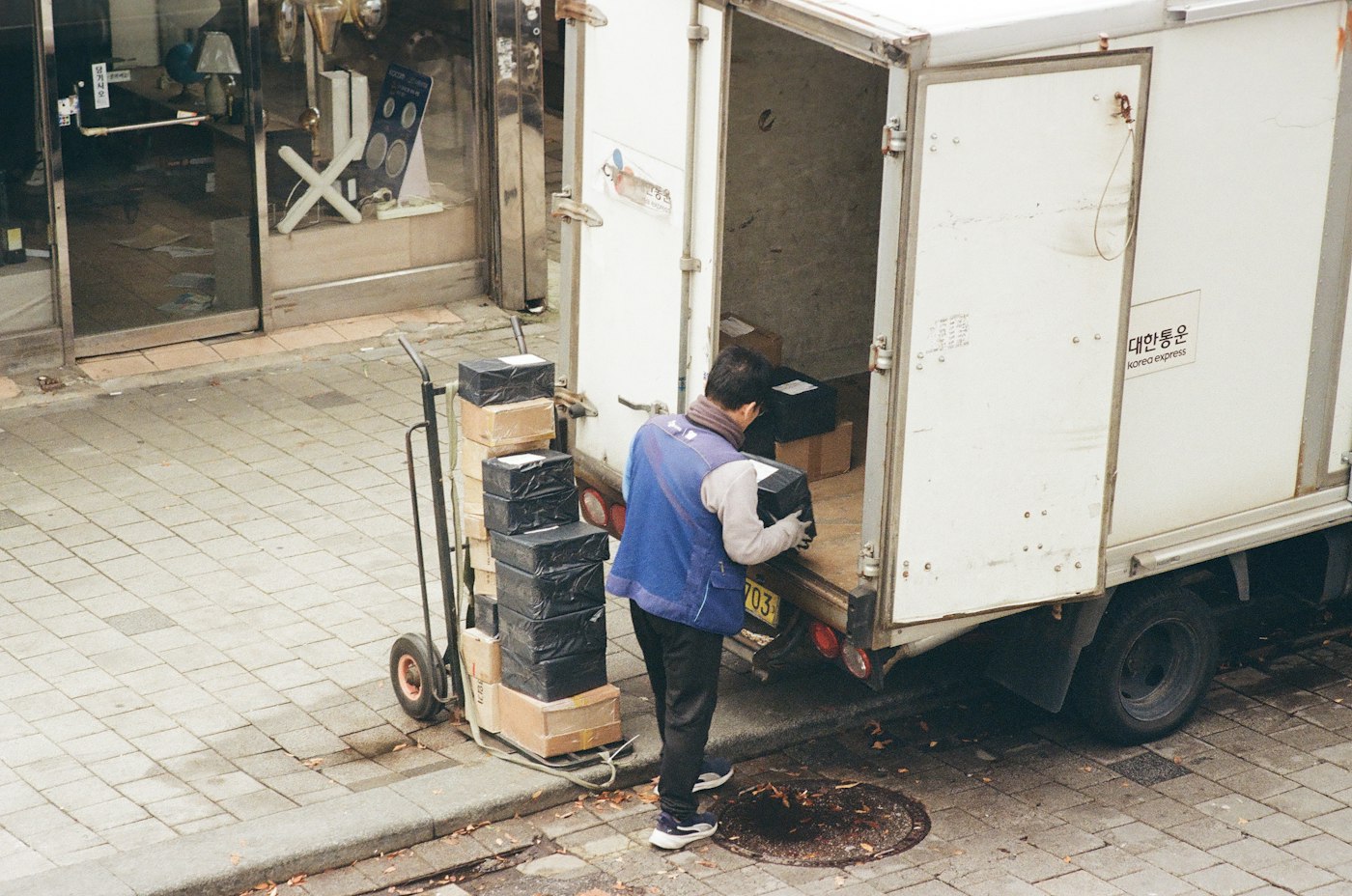
Logistics
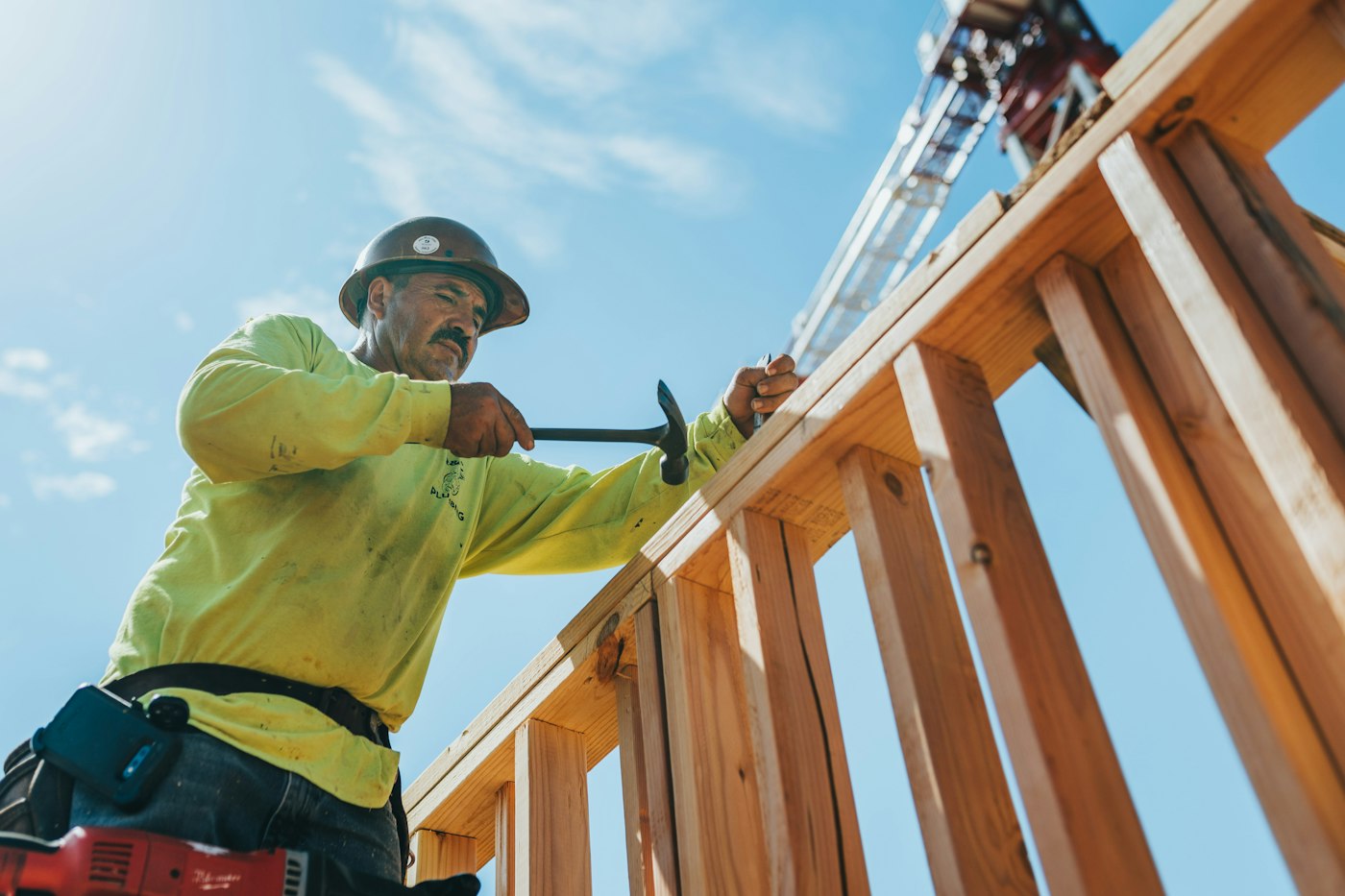
Trade contractors
Photos: Bank Phrom, Bernd Dittrich, chansu shin, Josh Olalde on Unsplash
// 01 / sound-familiar
None of this is anyone's fault. It's what happens when a growing operation still runs on email, spreadsheets and memory.
Re-typed
Every order is typed twice, and every typo becomes a reprint.
Chased
Your best people spend the morning answering “where’s my order?”
Lost
Status lives on a whiteboard and in someone’s head. When they’re out, so is the answer.
// 02 / picture-this
Here's an ordinary Tuesday, before and after.
Today: A customer calls for the third time about one order.
With the right system: They check live status in their portal. Nobody's phone rings.
Client portalToday: A print file arrives at 72 dpi. Prepress finds out at four.
With the right system: The portal rejects it on upload and tells the customer how to fix it.
File preflightToday: Someone spends the morning typing supplier invoices into QuickBooks.
With the right system: They were read, checked and posted before anyone got in.
Automation pipelineToday: The spreadsheet and the books disagree on stock. Which is right?
With the right system: There's one database, so every screen shows the same number.
Shared databaseToday: You walk the floor to find out what's running late.
With the right system: You already know. It's on your phone, flagged in orange.
Live dashboard// 03 / the-fix
Each system works on its own and connects to the others when you're ready.
Client & Supplier Portals
Customers order and track online. Your team stops re-typing.
Target · order entry time
60–80% less
Real-Time ERP & Operations Dashboards
Every job, crew and asset on one live screen.
Example · on-time jobs
Live, no refresh
Custom Software Development
The system your operation needs, when no product fits.
Workflow Automation Pipelines
Invoices and emails become data automatically.
Target · hours saved a week
10–30 h
Figures marked “target” are what we measure against your baseline in each engagement, not past results.
// 04 / how-it-works
This is how we automate your workflow: the document goes in, the data lands where it belongs, and your team only steps in when something looks wrong.
Client PDF upload
A document arrives
Automated parser
Fields are read
Supabase database
Saved once
ERP sync
Posted to the books
Invoice to books
Minutes, not days
Hours saved a week
10–30 h
Month-end close
Days saved
Accuracy after review
Under 1% errors
Targets measured against your baseline in each engagement, not past results.
// 05 / one-source-of-truth
Your portal, your pipelines, QuickBooks and your dashboards share one database. Your team stops reconciling numbers and starts trusting them.
// 06 / no-big-bet
Changing how your operation runs is a big decision. We keep each step small, so you can stop at any of them.
Your first release is live in 2–3 weeks, not after a nine-month ERP rollout.
A small paid Blueprint fixes the scope and the quote before any build starts.
Your code, your data, your accounts. Leave whenever you like, with a full handover.
// 07 / proof
The first client systems are being built now, and every case study will lead with a measured number. The fastest way to see what your system would look like is a Blueprint.
// 08 / getting-started
01
If you stop here: You own the blueprint and can build with anyone.
02
If you stop here: Code and data belong to you.
03
If you stop here: Full handover package on exit.
You’ll work directly with Arham Farman, whose family business, Farman Printing Press, ran on exactly that kind of Tuesday. Why we do this
// farman-labs / next-step
Where does work get re-typed, chased or lost? In 30 minutes we’ll show you what the fix looks like and roughly what it costs.
You talk to the person who would build it. No sales team, no obligation.